In August 2009, I started Project 802 which consisted of building three raised beds for growing vegetables. It appears I did not do enough research before buying the soil for my vegetable bed. I ordered a ready to use vegetable garden mix from a local soil yard. The soil I received was lighter in color than I expected and had some large pieces of wood mixed in. It was time for a complete investigation to get down to the facts!
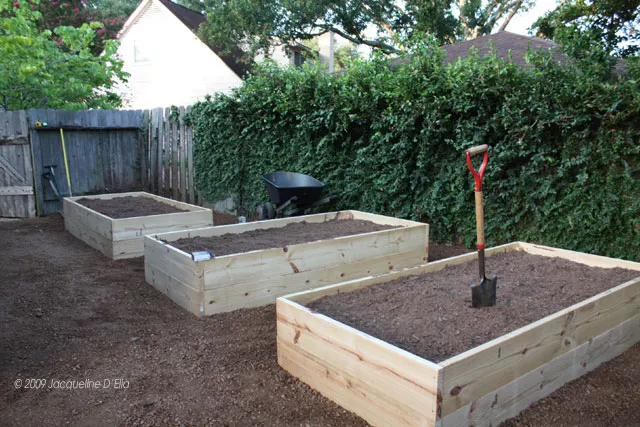
Who would have guessed that after just 3 months, I would be removing all of the soil in my raised vegetable beds? Well if you read my last post on how disappointing my first crop was, you might have guessed it.
I later discovered the soil was a mix of these ingredients:
Enriched Top Soil - Enriched Top Soil is a fine-textured blend of sandy loam and compost. It is used as a top dressing on existing soil surfaces before laying sod or planting grass seed. Many use it to fill low spots in turf areas or around sidewalks and driveways. It is heavy and stays in place. Enriched Top Soil is not recommended as a planting medium. Mixed Soil with Compost (Houston) - A blend of topsoil, sand and compost. Screened to remove stones and debris, this blend is designed to build planting beds. The heavy nature of Mixed Soil with Compost keeps it in place as plants establish. Will stay in place when used to build a raised planting bed.
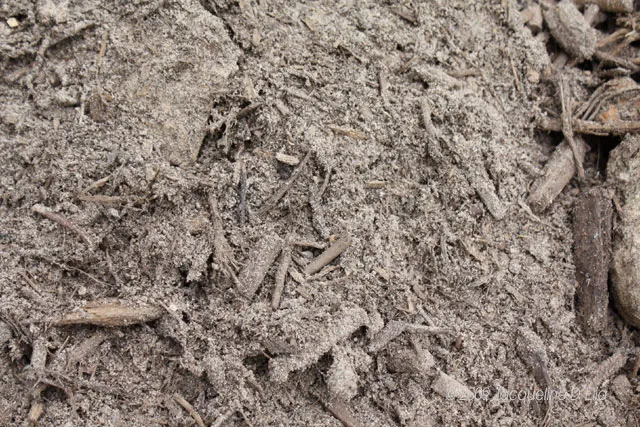
I asked for a mix that was ready for planting vegetables in. It appears I did not receive that. In hindsight, there were three red flags that should have alerted me about this soil. The first was that they did not have a sample of the soil mix at the yard to see before buying it. The second was the color. The soil was fairly light in color. Typically, decomposed organic matter referred to as humus would make the soil darker. That is why gardeners refer an ideal compost as “Black Gold”. The third was their was a lot of debris in the mix, wood chips and chunks that were not fully decomposed. More than likely, they added mulch to the soil not compost. As these chunks begin to decompose in the beds, they will pull nitrogen out of the soil. A soil ready for planting should be screened to remove large wood chunks and debris. You do not want to add mulch (which is basically shredded bark and wood) to the soil, you want to add fully decomposed compost.
Before planting any seeds or plants, I sent a soil sample to Texas A&M for testing. It is always a good idea to test new soil before planting anything. The results surprised me. It was VERY LOW in nitrogen and low in phosphorus, not something I would have expected from a “Ready to Use” Vegetable Bed Mix. It was clear, this mix was clearly not ready for planting. I did amend the soil with cow manure and blood meal, hoping to raise the nitrogen and phosphorus levels, along with lowering the pH, but getting the right mix proved to be a challenge. My first crop of vegetables was disappointing. The lettuce seeds I planted germinated, but never grew. My squash and beans did so poorly, I had to remove them. My Sugar Snap Peas and Kentucky Wonder beans never grew more than 6 inches tall - even after 6 weeks.
So where could I find some organic matter for my raised beds? A few years ago, I meet John Ferguson of Nature’s Way Resources at a Houston Rose Society meeting. His company is a leader in providing organic soil, compost and mulch, so I decided to visit their soil yard in Conroe to see for myself. I brought along a sample of the soil from my raised bed.
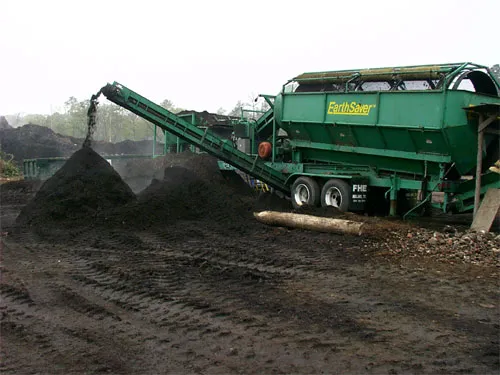
When I arrived and pulled into the soil yard, everything was already mixed and available to see. I met with Tom Hallowell who was kind enough to show me around. He is a Master Gardener and is very knowledgeable about building soil. I was very interested in their Leaf Mold Compost. It was so dark and rich, just like that “Black Gold”. I stuck my hand into the warm pile and scooped up some of compost. It smelled sweet. Could adding this to my beds help?
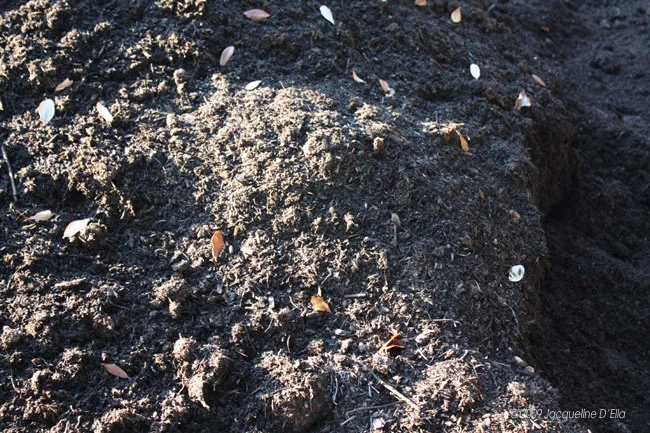
Yes! Tom helped me decide how to go about adding this 3/8" screened Leaf Mold Compost to my raised beds. I removed all but 6 inches of the existing soil and left it as a base. I ordered 7 cubic yards (reserving up to 2 cy for the raised beds and the remaining 5 cy as a dressing for my existing flower beds and lawn). Each bed would need about 1.8 cy (cubic yards) of soil. I would use a mix of 1/3 Leaf Mold Compost and 2/3 of the original soil mix.
Confused about calculating cubic yards? I found a handy cubic yard calculator on this Soil Building website based in Dallas. It does all the math for you.
I ordered extra leaf mold compost, so I could spread a layer of it over my lawn, since I no longer use any commercial lawn fertilizers. Tom recommended 1 cy per 1000 square feet of lawn surface. Sprinkle it on with a shovel, and then gently rake it so it makes contact with the soil. I also added an inch or two topping off my containers and potted plants.
Here is some helpful information from the Nature’s Way Resources website:
Compost or “Black Gold” is the single best amendment to add to any soil to increase its fertility. It feeds the soil food web and increases many desired soil properties. The heat of composting kills most weed seeds and pathogens allowing beneficial microbes that prevent disease to grow and dominate. It helps loosen clay and helps sand hold water and nutrients.
LEAF MOLD - This product is produced primarily from recycled leaves, with a little grass, and horse manure mixed in and is slowly composted over two years to ensure quality. The name Leaf Mold comes from the old English words “Leaf Mould” which means produced by a very slow breakdown of leaves (from trees and shrubs) into a rich humus. After a long slow composting period it is screened to ensure consistency and size. This product is rich in beneficial microbes and used on lawns, vegetable gardens, annuals, and in flower beds. The 1" size is ideal for use as a soil amendment, under turf grass before installation or as mulch. The 3/8" size is excellent for potting mixes to top dressing lawns to help save water and to prevent brown patch and other problems.
Know what you are buying and be sure to see it before you do. Do the research and learn how to build a good soil. While the original soil I bought for the beds was a good base structure, it lacked the correct amount of real compost.