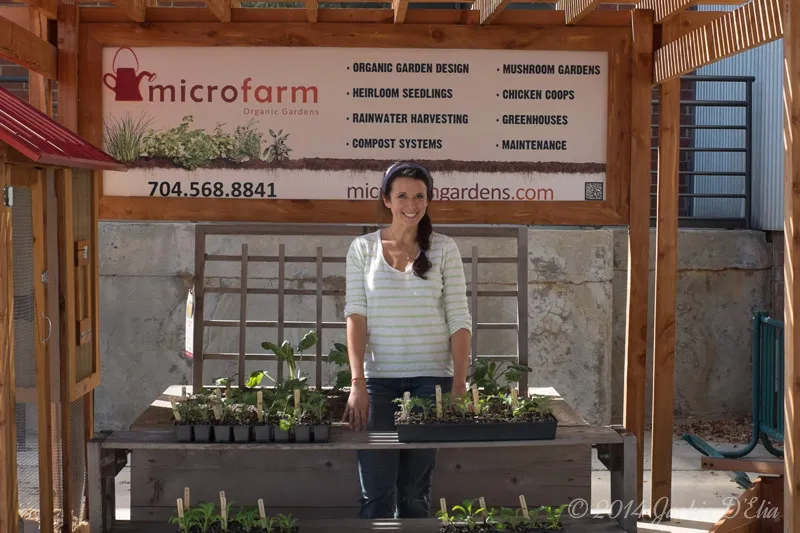
During the Urban Harvest Organic Vegetable Series course this past spring, I had the opportunity to meet Diana Liga, a horticulturist and permaculture designer. She was an instructor for one of the classes in the course and I was so impressed by her lecture, I followed up with her to schedule a visit to her garden. After all, it was from her that I first heard the term garden insectary. She graciously opened up her amazing garden for an early evening tour in late May. Before we get started, let’s cover two terms that may be unfamiliar… permaculture and garden insectary:
Permaculture is a system of applied design for the creation of sustainable human habitat. These design principles mimic the relationships found in nature. Care for the earth, care for people, and share the surplus.
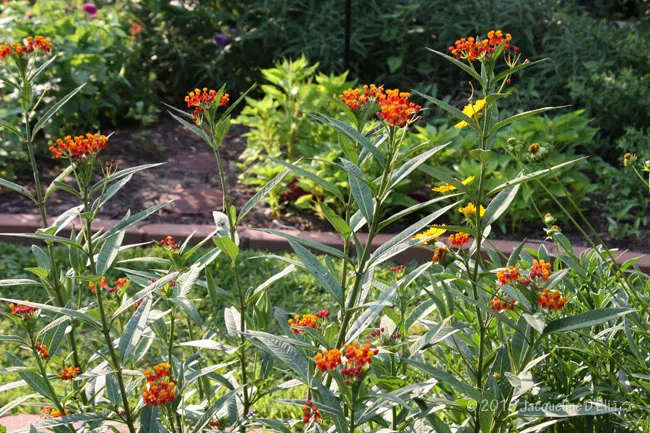
Garden Insectary is a method of companion gardening that provides the right kind of environment insects need to survive and procreate. At different stages of development, insects need different kinds of food, from other insects to nectar. Beneficial insects keep the pest population under control, and by providing an assortment of flowers of different heights, and bloom periods from spring through fall, you create a home for many species of beneficial insects.

A little about Diana Liga:
She graduated from Texas A&M in 2000, with a B.S. in Horticulture, and soon after moved to Houston. In 2001, she completed the permaculture design certificate coursework at Urban Harvest and soon started working for them, as their horticulturist and community gardens coordinator. After taking some time off to start a family, she is again doing design work and lectures.
Now for the tour:
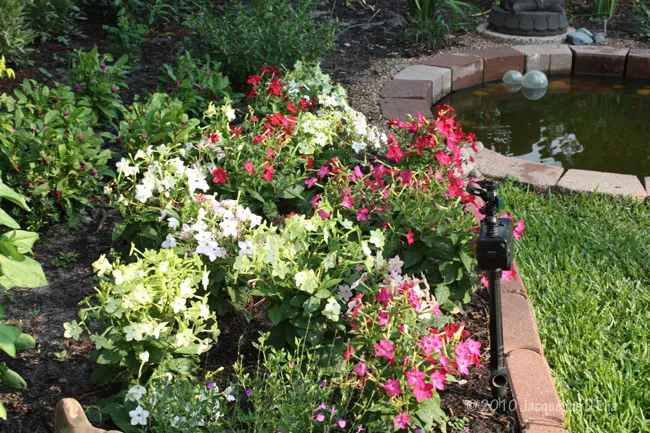
Located on a very large lot in a quiet Spring Branch neighborhood, Diana Liga’s front garden is enchanting. A medley of fruit trees, herbs and flowers designed with more than one purpose in mind. According to Diana, everything in her garden has to have more than one purpose to be included. Most of them have several.
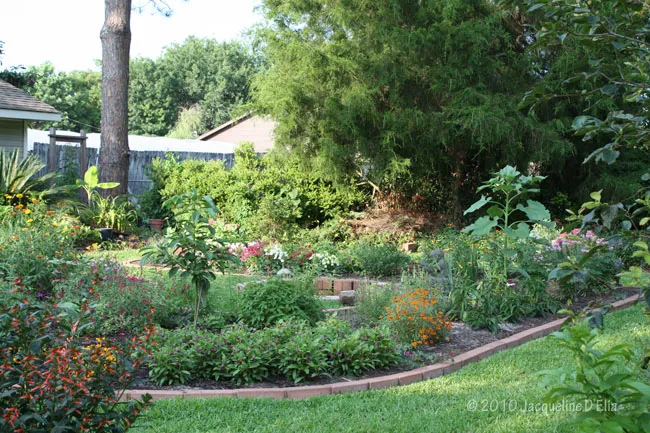
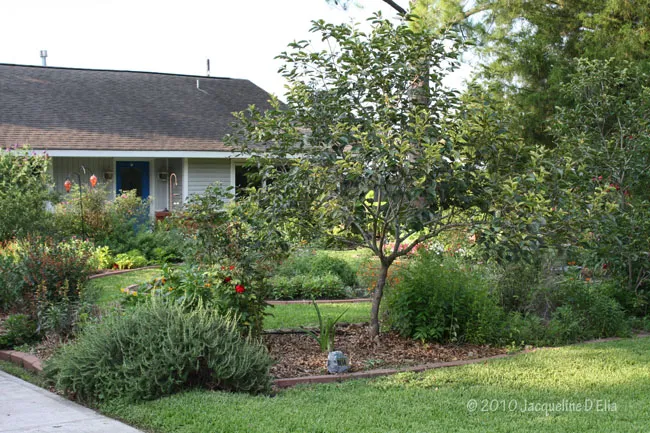
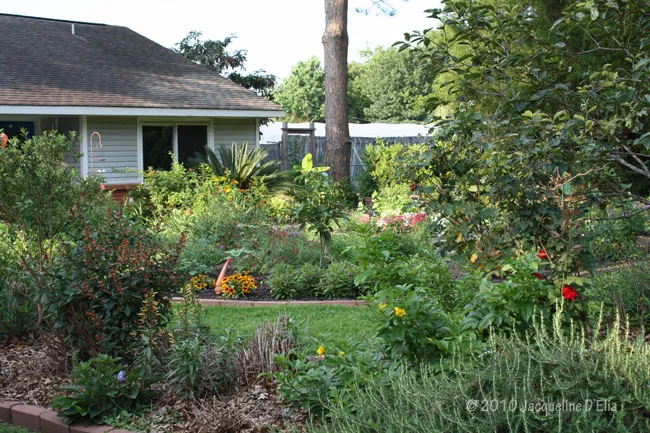
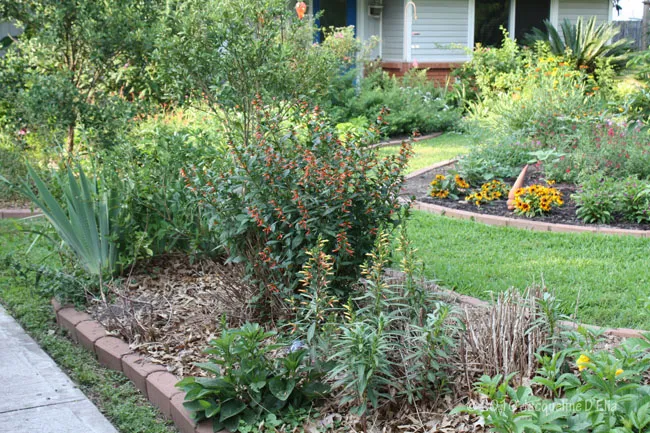
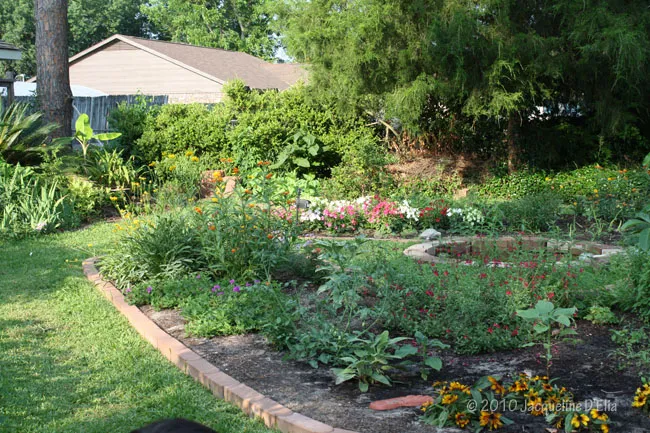
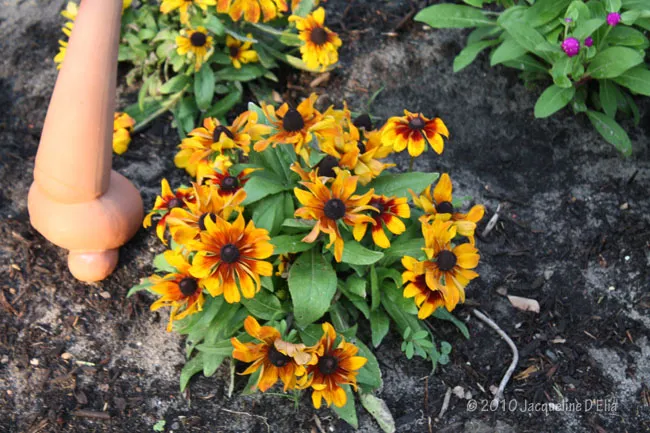
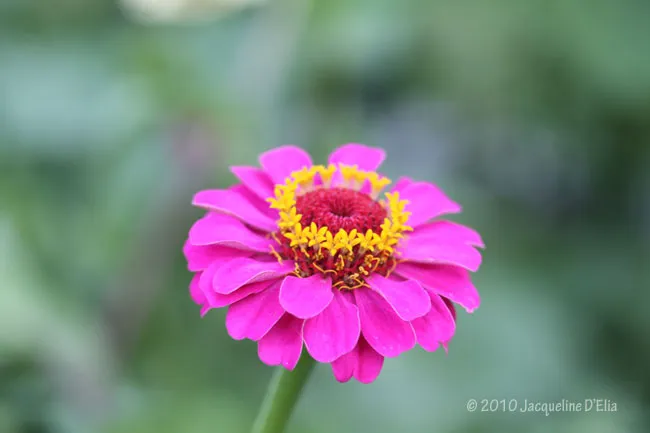
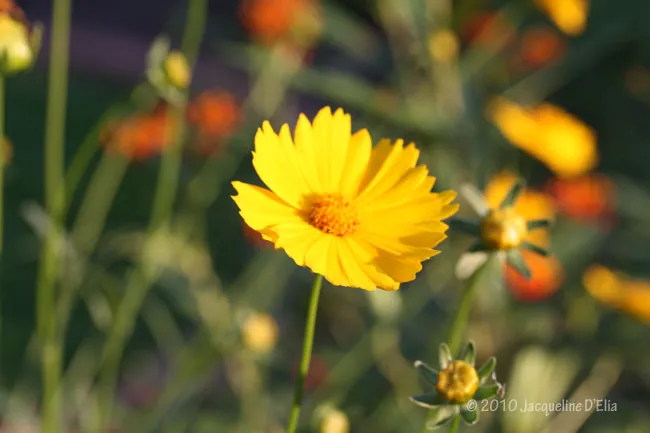
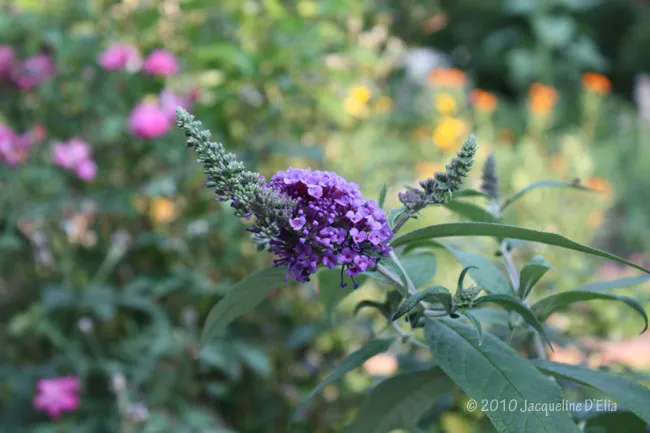
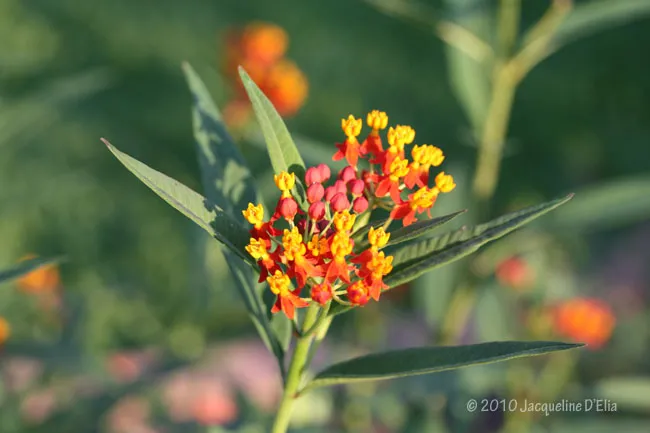
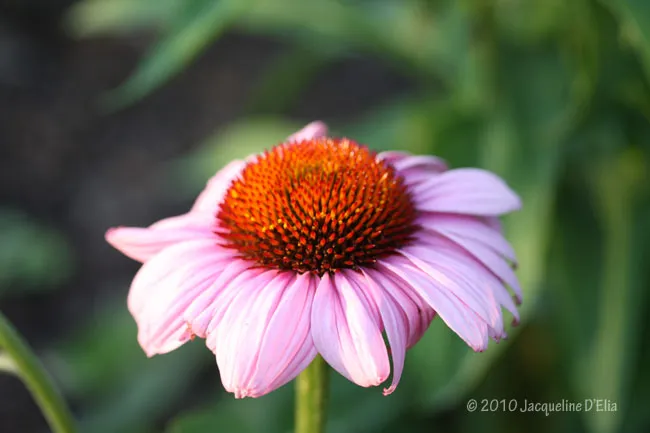
The beds in the front garden are designed with a water feature in the center surrounded by a meandering path of grass to walk on. Lots of tropicals, perennials, and annuals give a wide variety of flower types, visual interest, and attractions for bees, butterflies and a host of other beneficial insects. And let’s not forget frogs, toads and birds. Diana has created a garden insectary that provides food and shelter for everyone. So when pests arrive, there are teams of predators in the “neighborhood” to handle it. She recommends you OBSERVE closely the insects you find in your garden. What you think may be a pest, may be a “good guy”. Their behavior can give you clues. Insects that travel alone, are usually good. In larger groups and feeding on your flowers or fruit, usually bad. Be patient, try to give the good guys a chance to find a good meal.
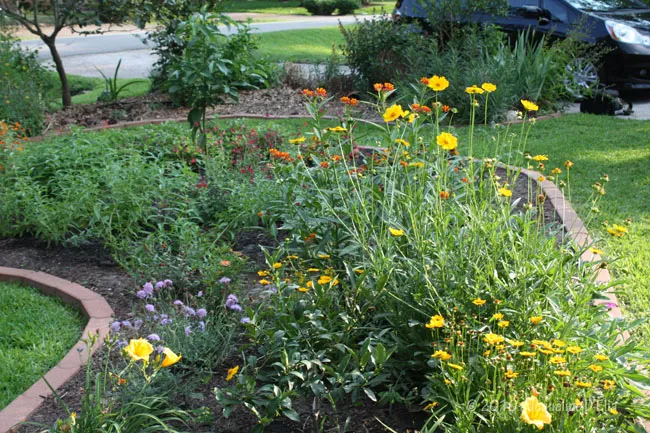
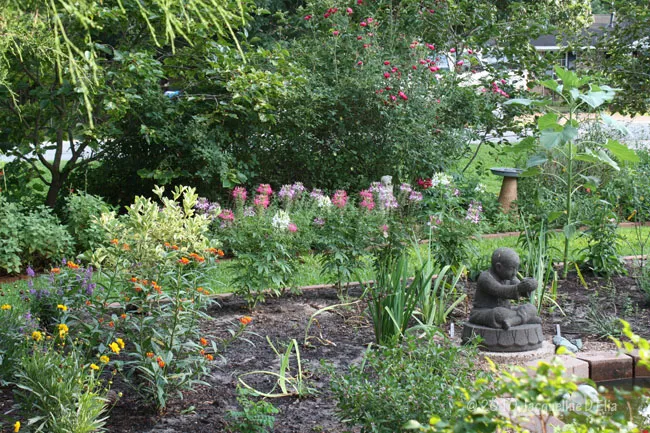
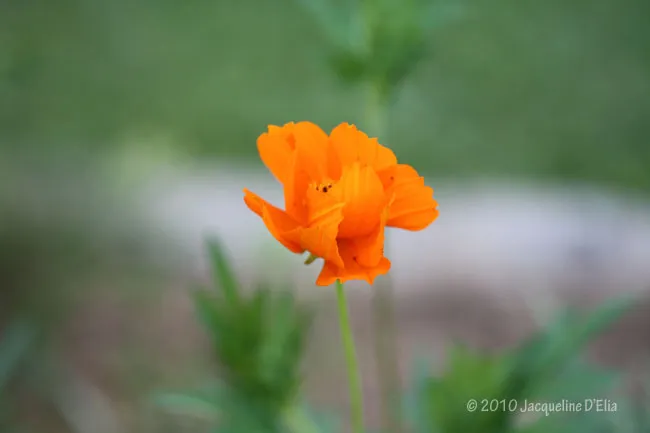
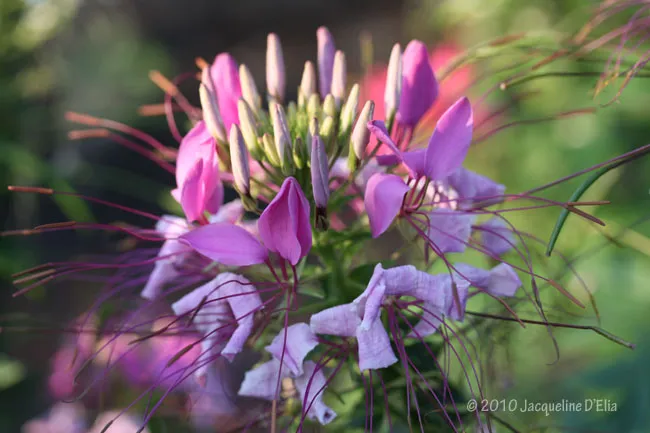
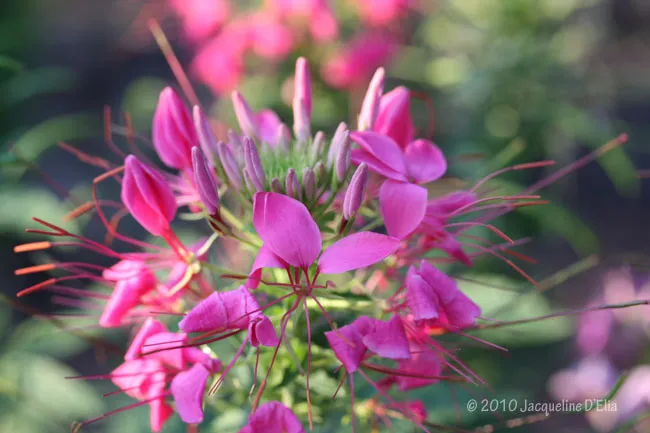
After touring the front gardens, we moved on to the side of the house where Diana has created another space surrounded by tropicals, native grasses and garden art. Mindful of providing a habitat for wildlife, a bird bath provides water for visiting birds.
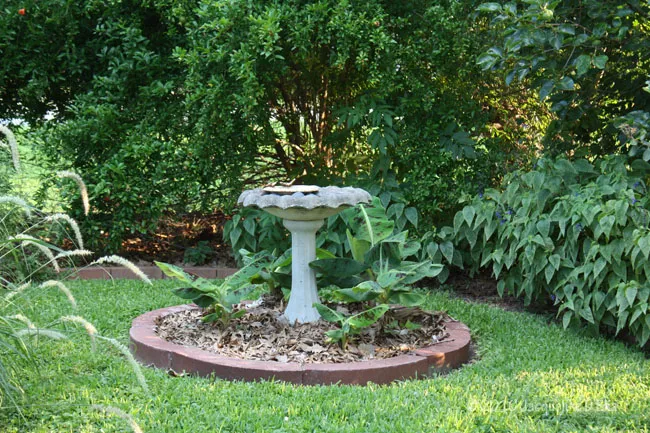
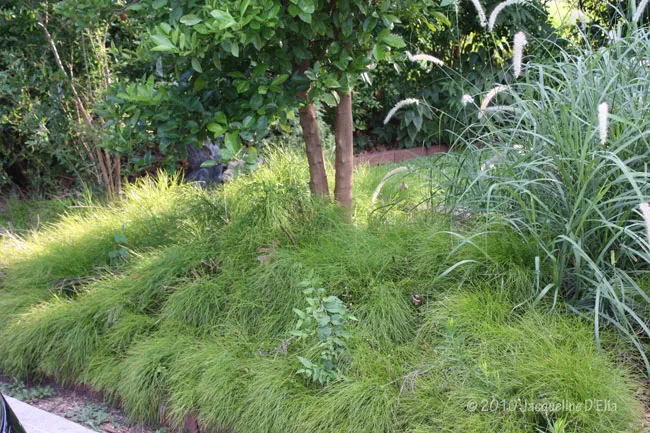
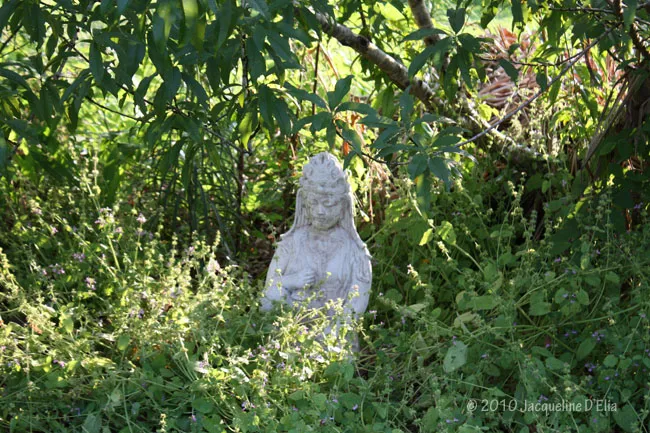
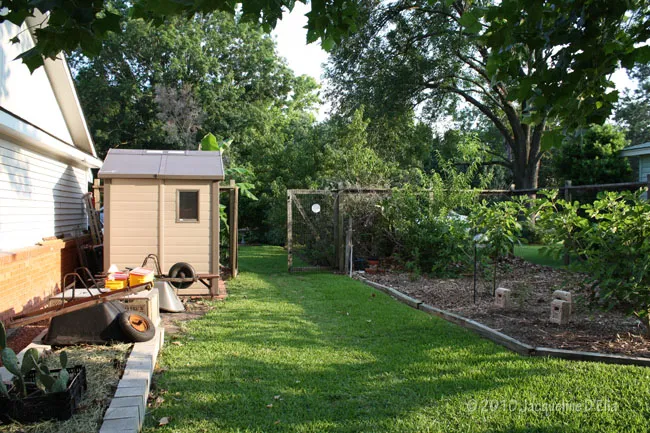
Now to the back of the house, where she grows most of their food and raises hens.
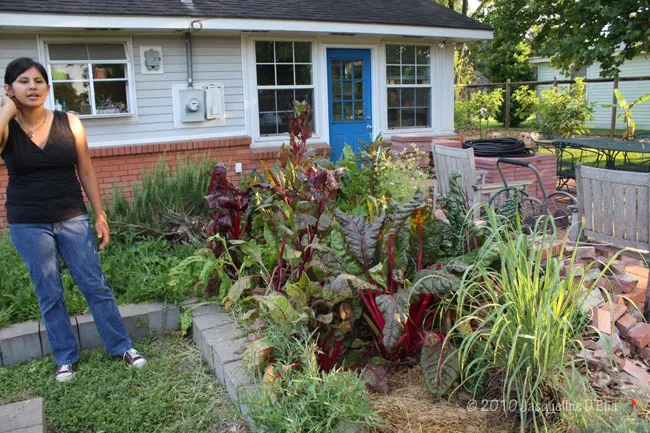
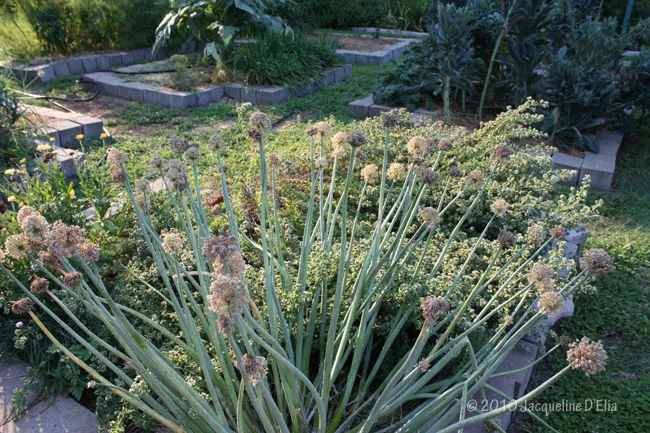
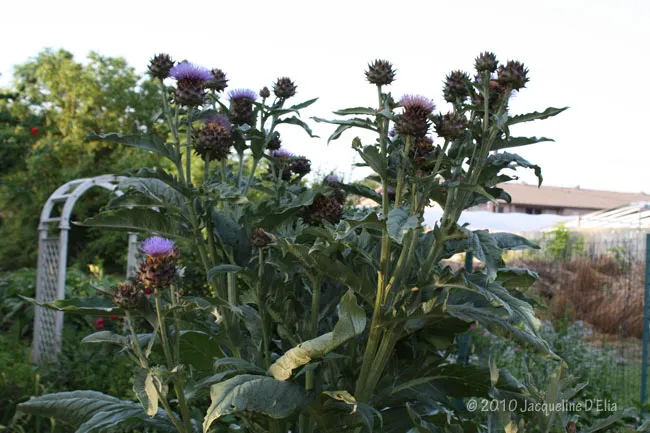
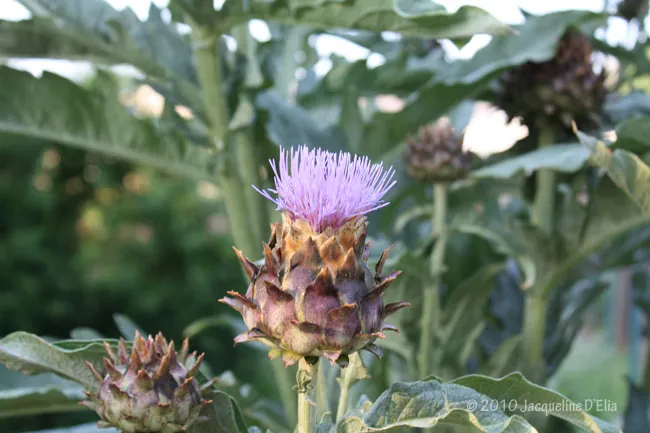
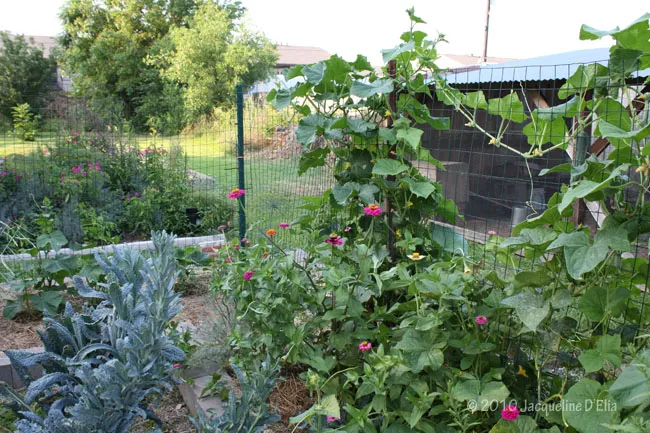
She created a series of raised beds using concrete blocks that makes it easy to access and care for. A nice benefit of the blocks are that you can sit on the edge when weeding or planting. Using raised beds also makes it easy to rotate your crops from year to year to avoid nematodes and soil borne pathogens from building up. Below is a Cardoon, which is a relative of the artichoke, grown for harvesting the stems. It also has very attractive flowers.
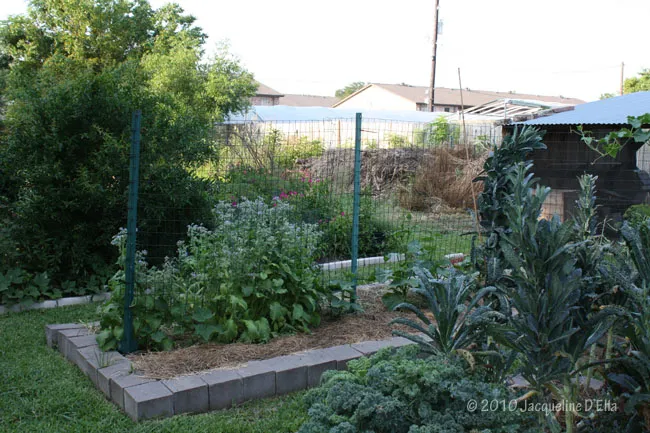
Trellises come in may forms. This fencing material is perfect for vines like cucumbers.
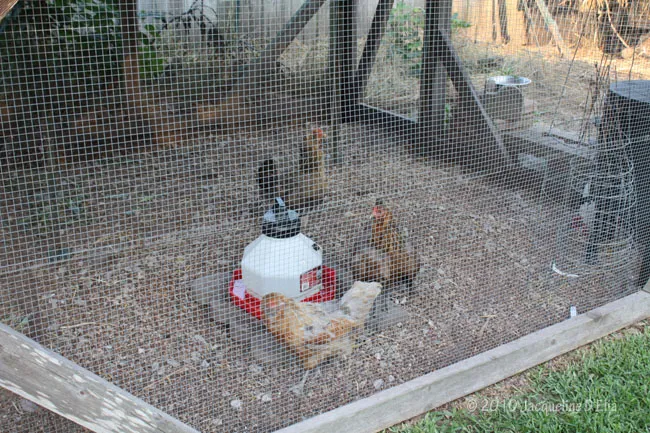
Hens provide fresh eggs for her family.
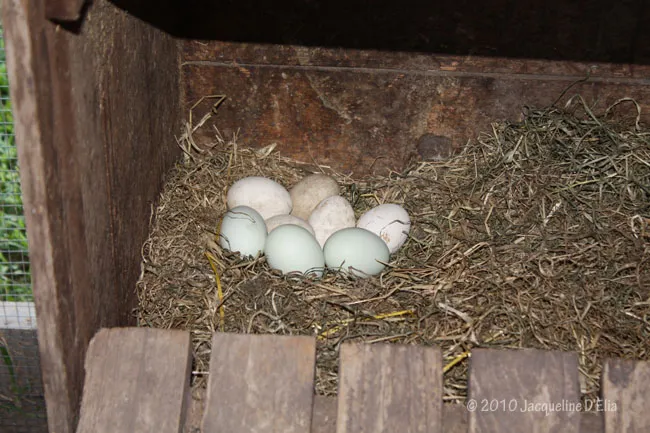
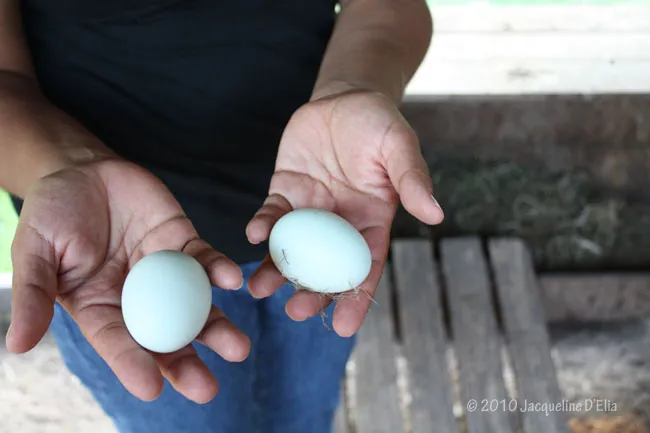
Yes, they did have a pale green color.
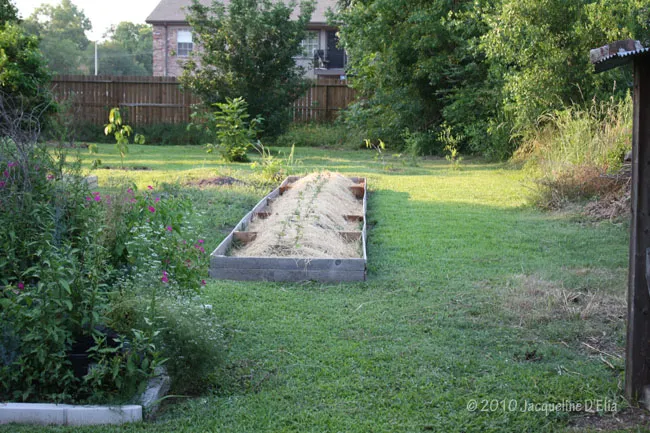
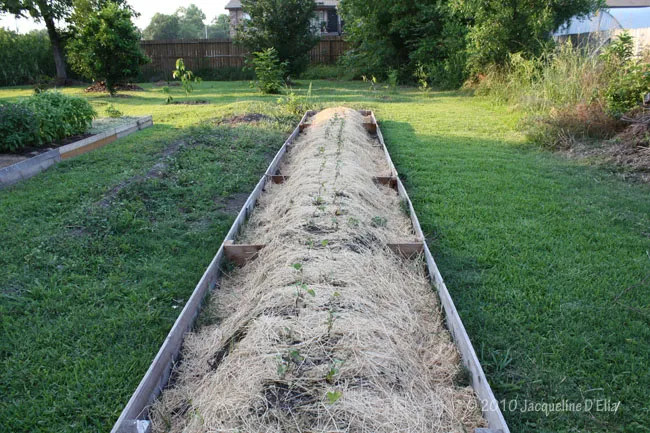
Sweet Potato Bed
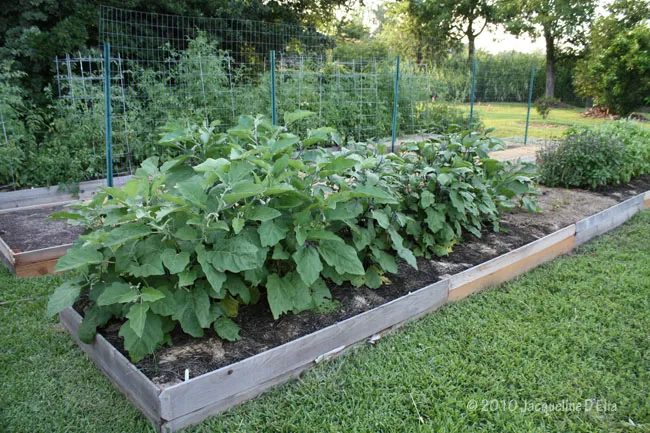
Eggplant
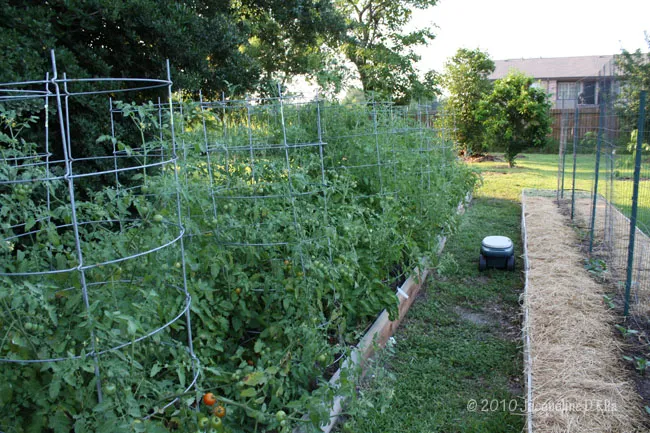
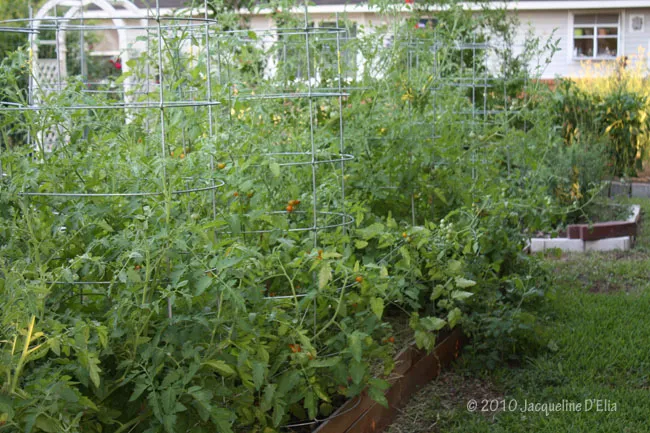
Tomatoes!
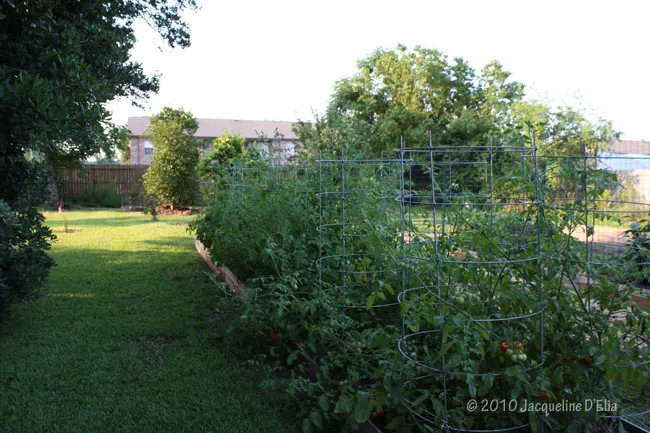
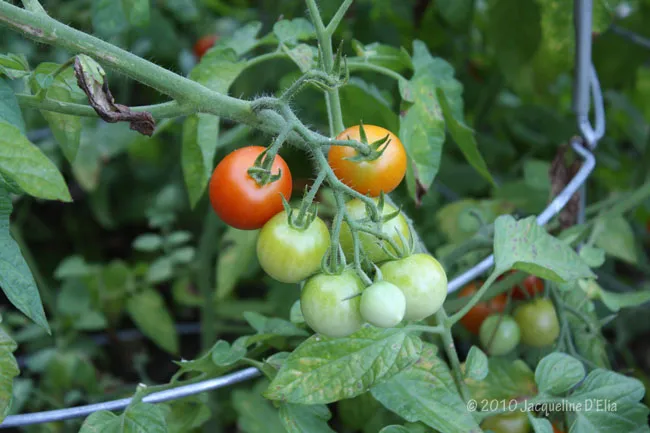
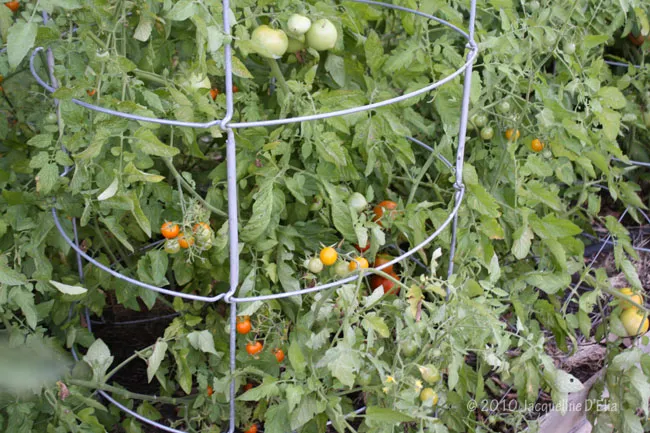
Diana also uses the Texas Tomato Cages, that I have. Best tomato cages around.
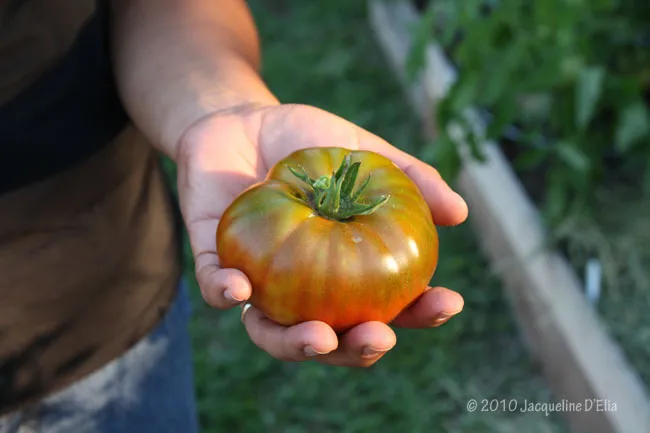
Diana gave me this tomato to take home and it was so delicious! Seeds came from Baker Creek. Some of these heirloom varieties may look a bit odd, but they taste superb. Try experimenting with different varieties. Diana provides a list of her favorites at the end of this post.
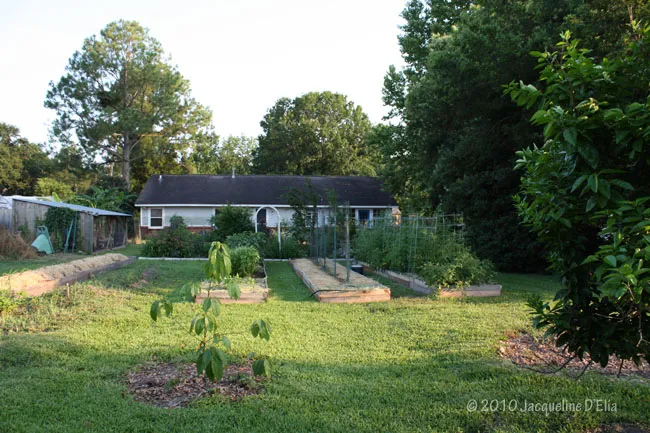
Fruit trees in the back of the garden.
Fruit trees she is growing:
Persimmons: ‘Ichikikijiro’, Matsowasefuyu’, ‘Hachiya’, ‘Suruga’
Pomegranates: ‘Bagal’, ‘Eversweet’, ‘Variegated Nana’
Citrus: ‘Meiwa’, ‘Meiwa Seedless’, ‘Nagles Seedless’, 2 Mandarinquats
2 Pineapple Guavas
Peaches: ‘Red Baron’, and ‘Midpride’
Lots of fruiting bananas although at this point the only one that persistently fruits is ‘Orinoco’
Dwarf Barbados Cherry
2 Jaboticabas
Avocados: ‘Opal’, ‘McMillan’
Here are her top five tomato varieties:
‘Sweet Chelsea’
‘Sungold’
‘Anna Russian Oxheart’
‘White Currant’
‘Paul Robeson’
She is growing two large black tomatoes this year, ‘Cherokee Purple’ and ‘Paul Robeson.’ Both are very tasty!
So how does your garden grow?
Whether you have a balcony or an acre of land, you can create your own sustainable garden by following design principles that work with nature. Avoid using pesticides which are toxic to YOUR ecosystem and synthetic fertilizers that destroy soil microbes. Be more tolerant of a less than perfect garden. If a plant gets to the point where you would consider using a pesticide - pull it out and compost it instead.